
Couponing 101: The Complete Beginner's Guide to Couponing
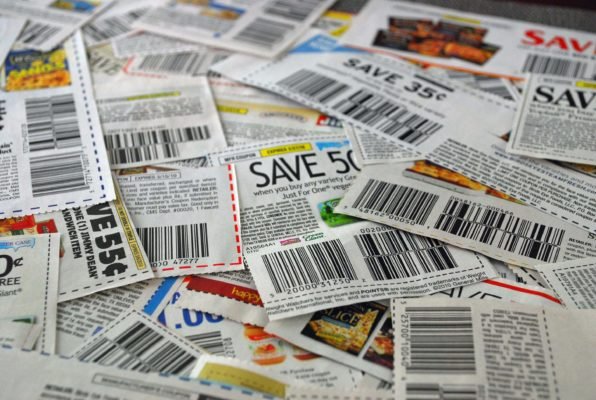
Extreme couponing may have faded, but coupons haven't. They are still one of the easiest ways to cut your grocery and household bill, and today many of them live on your phone instead of in a binder.
If you want to start but don't know where to begin, this guide walks you through the basics in the order that matters most.
Start With Your Why
Before you clip anything, decide what you're saving for. Maybe it's a family trip, paying down a card, or simply not paying full price when you don't have to. A clear goal keeps you motivated and stops couponing from turning into a hobby that costs more than it saves.
Keep two things in front of you at all times:
- What your household actually buys and uses
- Sales and coupons on those specific items
If an item isn't on that first list, a coupon for it isn't a deal.
Sales Cycles Matter More Than Coupons
Most of your savings will come from buying things when they're on sale. Coupons are the extra layer on top.
Say a box of cereal is normally $4.29 and you have a $1 coupon. Use it at full price and you pay $3.29. Wait for the sale price of $2.99 and the same coupon brings it to $1.99. Same coupon, much better result.
How Store Sales Cycles Work
Many items go on sale on a predictable rhythm, often every 6 to 12 weeks. Seasonal patterns help too:
- January: health foods, fitness gear, and storage containers
- Spring: cleaning supplies and garden basics
- Summer: grilling and picnic items, then school supplies
- Fall and holidays: baking ingredients, canned goods, and turkeys
When your family's favorite peanut butter or detergent hits a low price, buy enough to last until the next sale. If you want to track it, keep a simple price book (a note on your phone works) with the lowest price you've seen for your regular items.
Build a Small Stockpile
A stockpile isn't a garage full of cereal. It's a few extra of the things you use, bought at a low price. Build it slowly, one sale at a time.
Good items to stock up on include pasta, rice, canned beans and tomatoes, oats, flour, sugar, frozen vegetables, toilet paper, paper towels, toothpaste, deodorant, and cleaning supplies. A small stockpile also saves you from last-minute trips where you pay full price because you ran out.
Where to Find Coupons
There are two kinds of coupons:
- Store coupons come from the retailer and only work at that store. You'll find them in the weekly ad, the store app, or in the mail.
- Manufacturer coupons come from the brand and work at any store that accepts them.
Most stores let you use one store coupon and one manufacturer coupon on the same item. This is called stacking. Learn the rules in how to stack coupons (and how not to).
1. Store Apps and Digital Coupons
This is where most coupons live now. Kroger, Target (Target Circle), Walmart, Safeway, Walgreens, CVS, and many regional chains let you "clip" digital coupons to your loyalty account. They come off automatically at checkout, with no paper involved. Check your store's app before every trip.
2. The Sunday Newspaper
Manufacturer coupon inserts still come in many Sunday papers. If you start to coupon seriously, an extra copy or two can pay for itself. See our guides to getting free newspapers and free newspaper coupons.
3. Printable Coupons
Sites like Coupons.com still offer printable coupons, and many brands post them on their own websites or send them to email subscribers. If your family is loyal to a brand, sign up for its newsletter.
4. Cash-Back and Receipt Apps
Apps that pay you back after you shop work alongside coupons. Browse our list of money-saving apps to find a couple that fit the stores you already use.
How to Organize Paper Coupons
If you collect paper coupons, you need a system or they'll expire in a drawer. Pick one of these:
1. Coupon Binder
Clip every coupon and file it in baseball card sleeves inside a zip binder, sorted by category. Everything comes with you to the store. The downside is time, and you'll need to pull expired coupons regularly.
2. Whole Insert Filing
Write the date on each insert and file the whole thing in a folder without clipping. When you plan a trip, look up which insert has the coupon you need and clip only that one. This saves the most time.
3. Coupon Box or Envelope
Clip what you'll use and sort it into envelopes or a small box by category. It's compact and easy to carry.
4. Store Folder
Keep a small accordion folder with a pocket for each store. It's handy for store coupons and register coupons that only work in one place.
For more ideas, read keeping your coupons organized and how to organize coupons quickly.
How to Plan a Coupon Shopping Trip
Clipping everything and heading to the store is the fastest way to overspend. Use this routine instead:
- Choose one store. Trying to shop every sale at once leads to burnout. Master one store first, then add another.
- Read the weekly ad. Mark the items your family uses that are at a good price.
- Match coupons to the sales. Check the store app first, then your paper coupons.
- Make a list. Note the item, sale price, any limits, and which coupon you'll use. Add the things you need that aren't on sale.
- Shop and check your receipt. Make sure every coupon came off. If one doesn't scan, stay calm and ask a manager, or skip the item.
Write down what you saved each trip. Seeing the total add up over a few months is great motivation.
Common Beginner Mistakes
1. Forgetting Coupons Are Marketing
Coupons exist to get you to buy. A high-value coupon on a new product is only a deal if you'd use it anyway. Watch how much you spend, not just how much you save.
2. Waiting Forever for a Deal
Some items rarely go on sale or never have coupons. It's fine to pay regular price for something your family loves. Couponing should make life easier, not stricter.
3. Not Knowing the Store's Coupon Policy
Every store has rules on stacking, digital coupons, competitor coupons, and limits. Search "[store name] coupon policy" and save a copy on your phone so you can show a cashier if needed.
4. Using Coupons on the Wrong Item
A coupon for frozen vegetables doesn't cover canned ones, and a coupon for a 24-count pack doesn't cover the 12-count. Never copy or alter coupons, and watch the expiration dates.
5. Doing It All Alone
Deal blogs and local Facebook groups do a lot of the matching for you. Search "[store name] coupon matchups" or join a group for your area and ask questions. Most couponers are happy to share.
The Bottom Line
Start small: one store, the items you already buy, and the coupons in that store's app. Learn the sale cycles, build a modest stockpile, and add paper coupons once the basics feel easy. A few weeks in, you'll be the one passing tips to your friends.